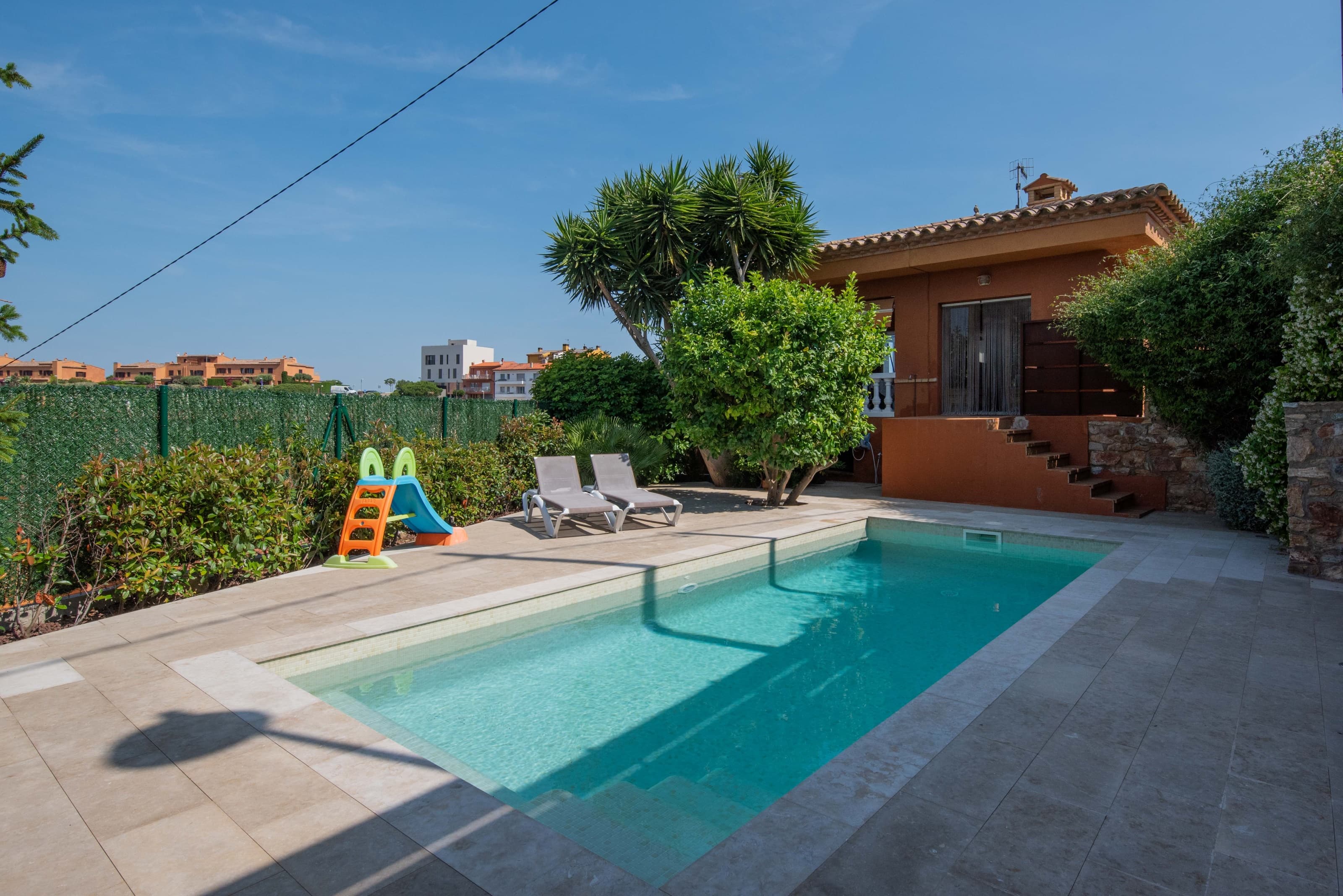

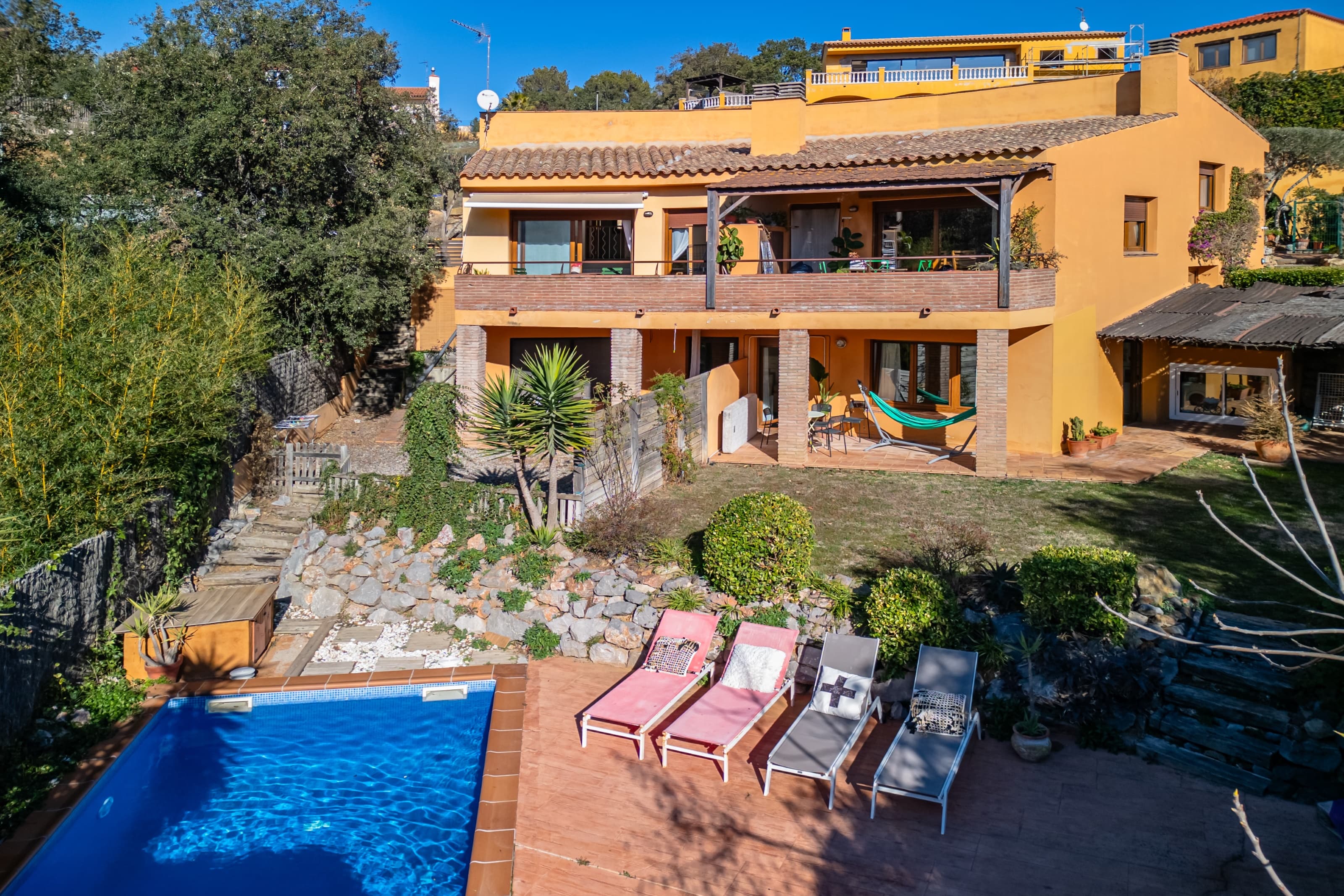
Private pool
Residencial Begur - EsclanyàRef. 1580 BEG-17
3 houses in one
Bedrooms: 5Bathrooms: 3Area: 318 m²
Sale€650,000
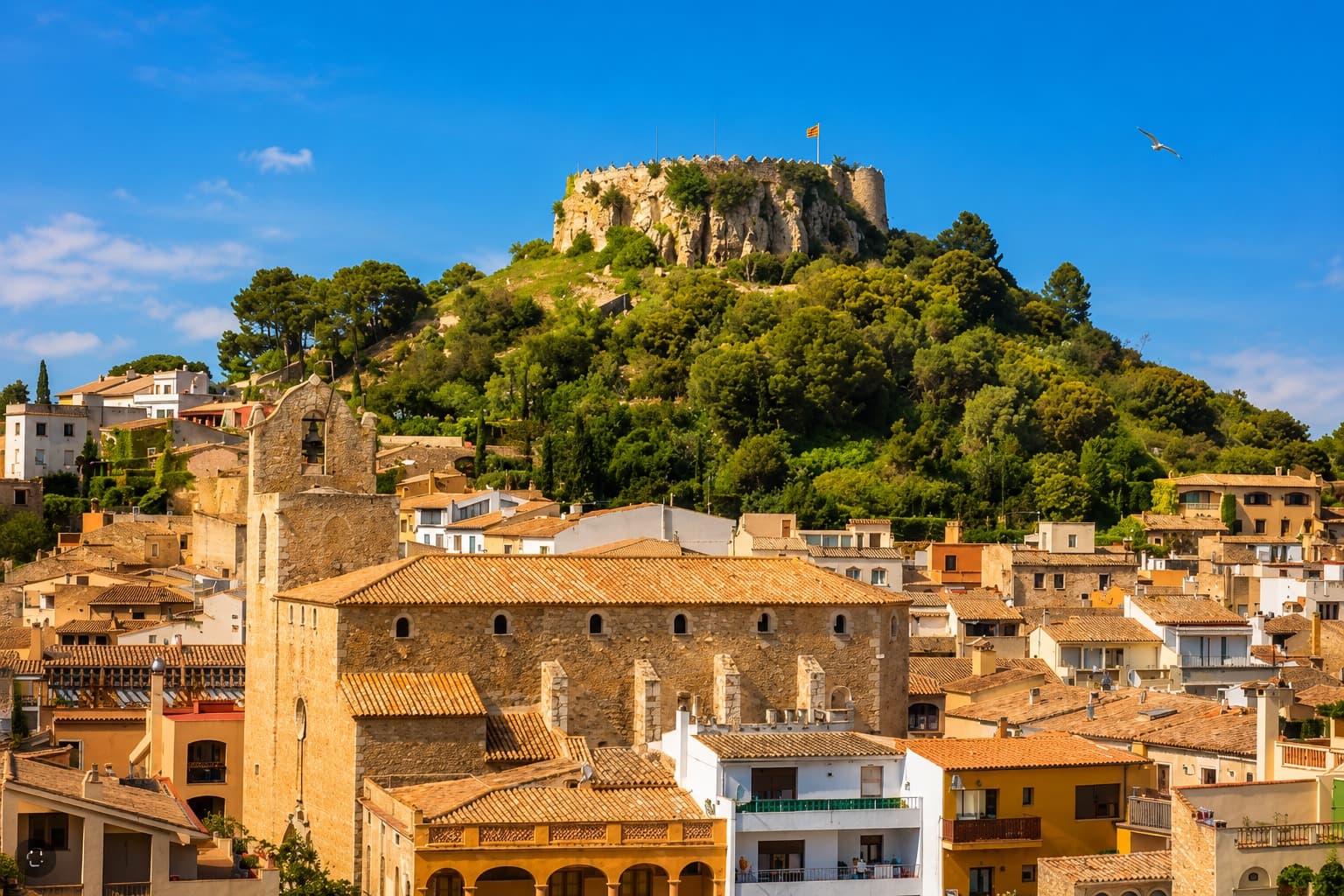
Begur is a hill town with a ruined castle at the top and six coves below it, each one a small settlement in its own right. It is the part of the Costa Brava people mean when they say the coast is still beautiful.
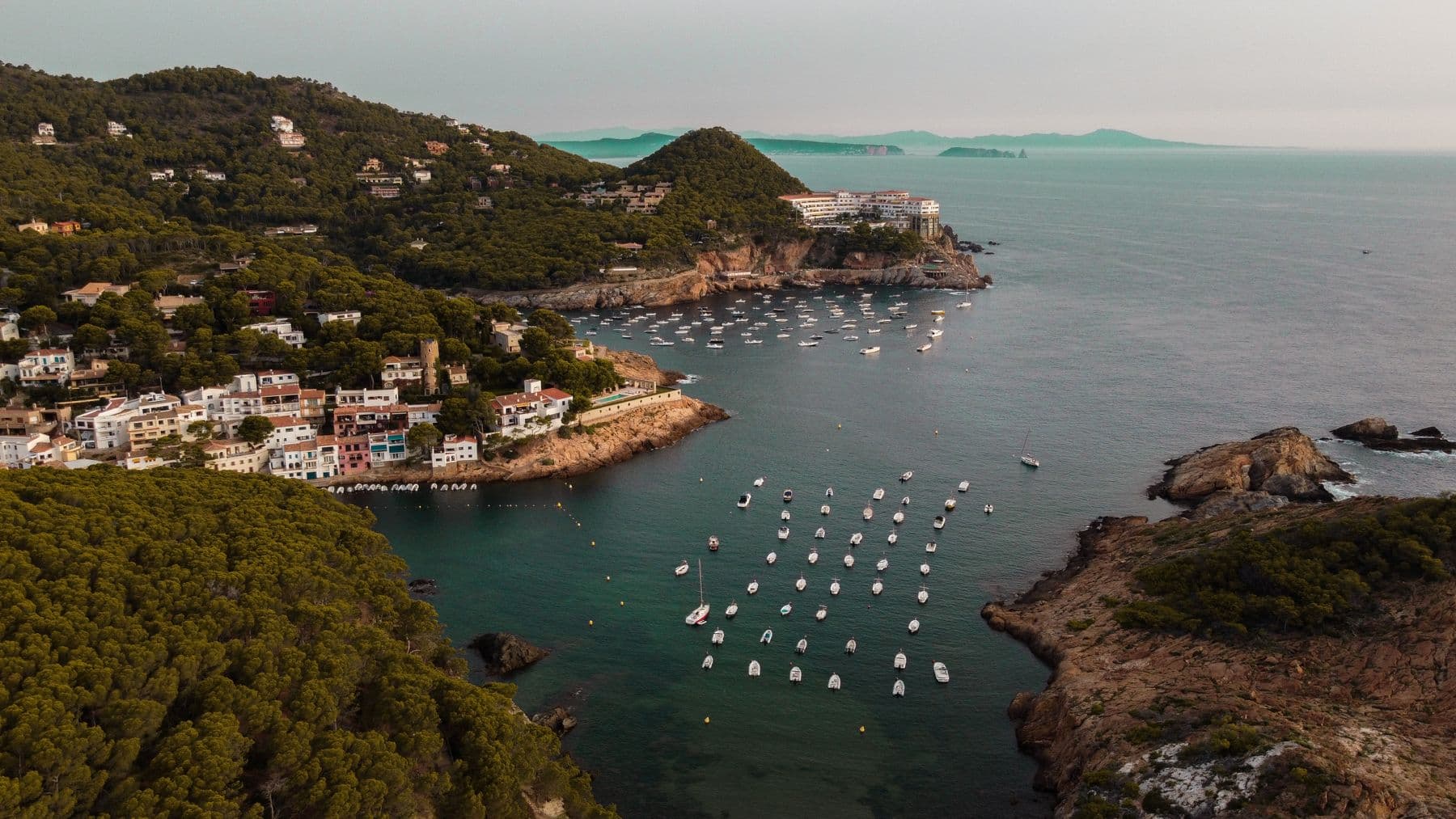
Begur is not one place but several. The old town sits inland on its hill, a fifteen minute walk from end to end, and the coast belongs to Sa Riera, Sa Tuna, Aiguablava, Aiguafreda, Fornells and Platja Fonda. Most of them are ten minutes down a winding road from the square, which is why a house here is bought for a particular cove rather than for the town in general.
About 4,300 people live in the municipality. In August that figure passes forty thousand, and the difference tells you what to expect: a working Catalan town for nine months of the year and a busy resort for three. Owners who spend the shoulder seasons here usually say those are the best months.
What comes up for sale reflects that geography. Village houses of stone in the old town, apartments and villas in the wooded urbanisations on the hillsides, and a small number of houses in the coves themselves, where nothing new gets built and turnover is slow.
Residencial Begur - EsclanyàRef. 1580 BEG-17
Bedrooms: 5Bathrooms: 3Area: 318 m²
Begur puebloRef. 1559 BEG-S
Bedrooms: 4Bathrooms: 3Area: 272 m²
The castle above the town was built in the eleventh century and rebuilt against pirates in the sixteenth and seventeenth. The French destroyed it in 1810 during the Peninsular War, and the battlements you see now were added in 1956 to make the ruin safe as a viewpoint. The climb takes about twenty minutes and the view runs from the Medes Islands to the Formigues.
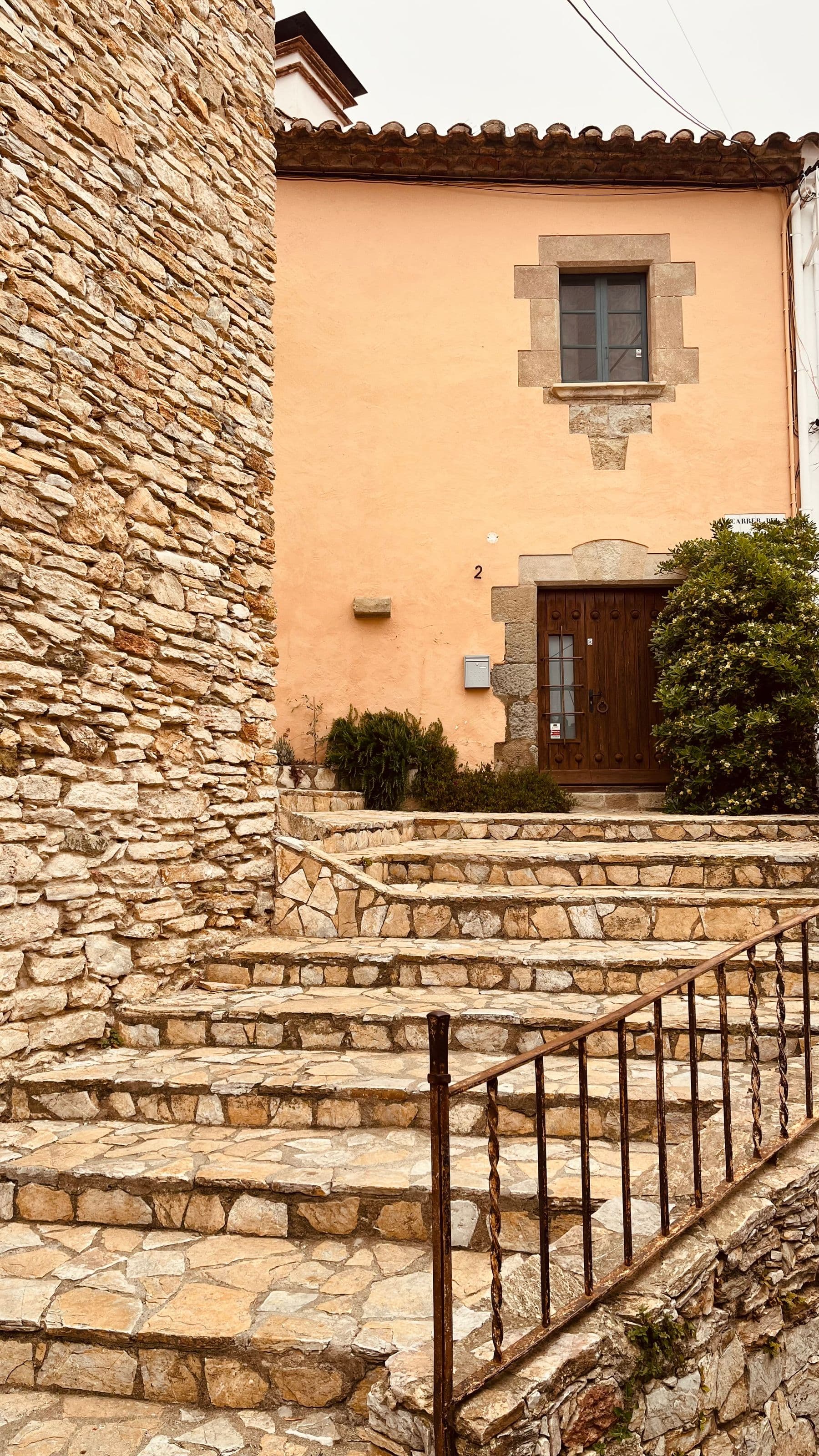
The grander houses in the centre come from Cuba. Through the nineteenth century Begur families emigrated to the Caribbean sugar plantations, and those who did well came home and built in the style they had seen there. Casa Térmens from 1869, the Casino, and a dozen others give the old town its colonial windows and painted facades. They are the reason Begur looks unlike its neighbours.
Each of these has its own character, its own access road and its own kind of house. It is worth knowing which one you are actually looking for before you start.
Sa Riera
The largest of the coves, roughly 230 metres of coarse sand, with a road down and enough behind it to feel like a village. The easiest of the six to live in year round.
Sa Tuna
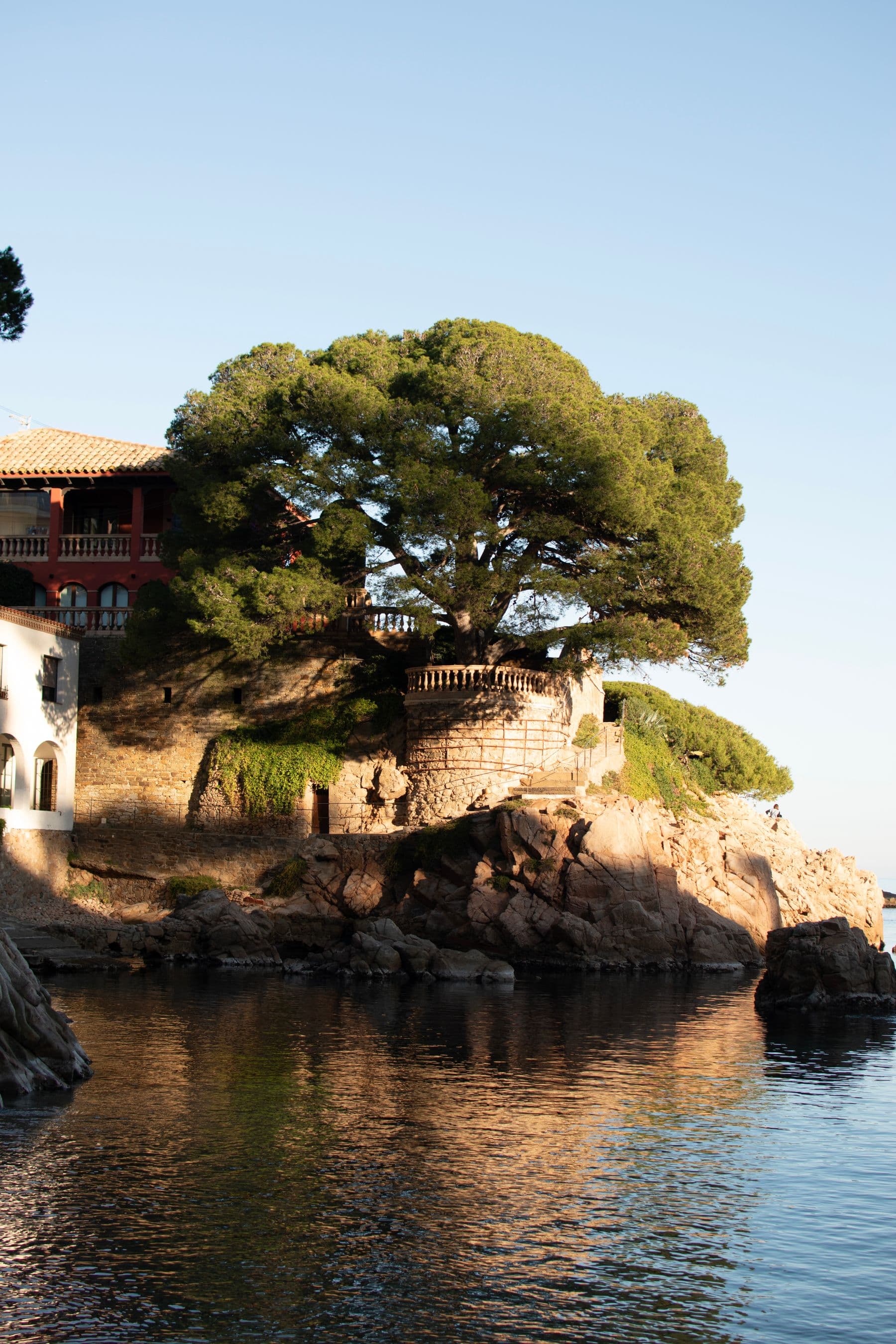
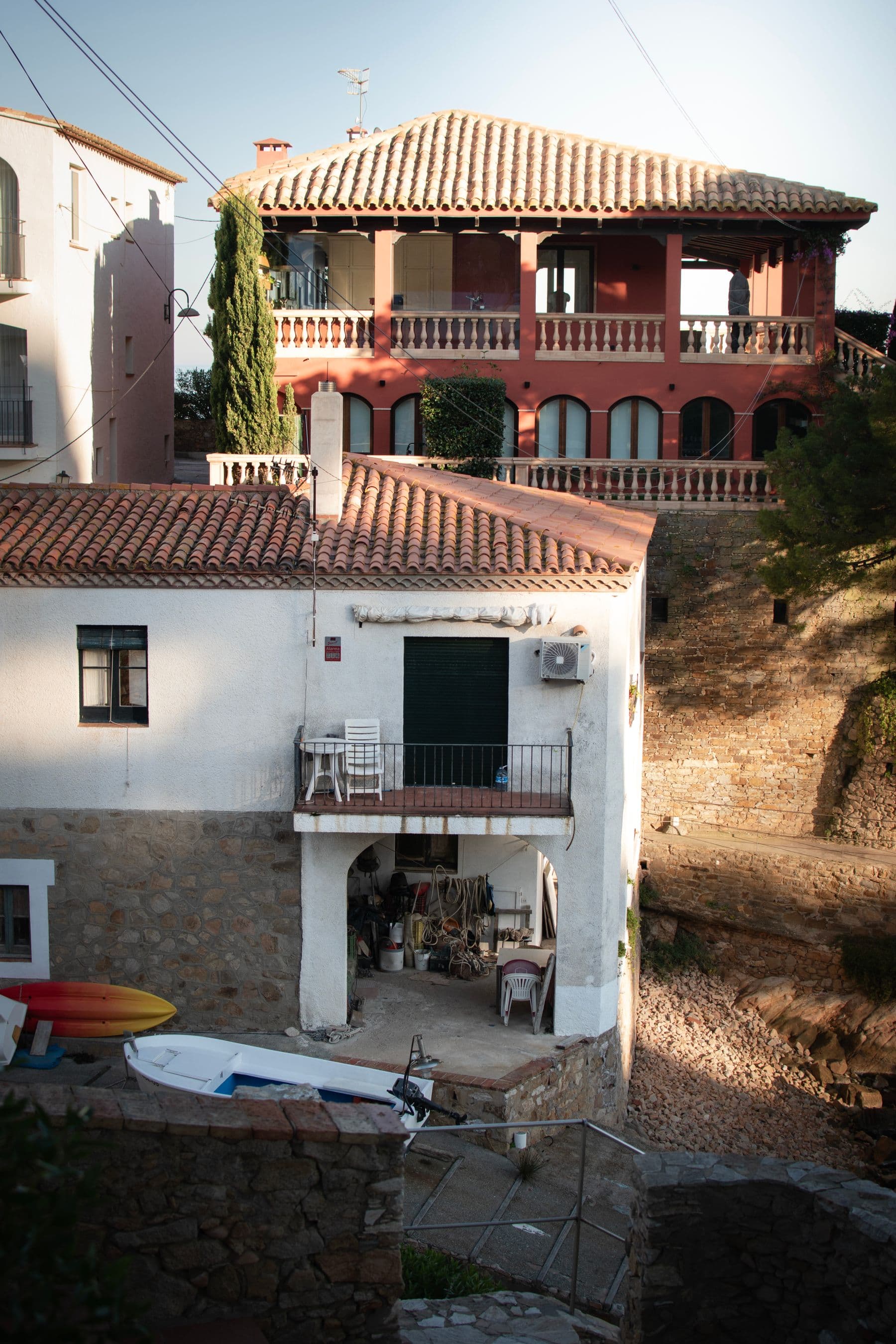
A small cove of old fishermen’s houses right at the water, reached by a narrow winding descent. The coastal path to the next cove starts at the far end. Very little changes hands here.
Aiguablava
Blue water, which is what the name means in Catalan. The most sheltered swimming in the municipality and the address most people recognise, so demand outruns supply.
Aiguafreda
A small cove tucked under the Puig Rodó hill, quieter than Aiguablava next door, with a scattering of houses on the slope above it.
Fornells
Between Aiguablava and Platja Fonda, on the southern stretch of the coastal path. Houses here look straight down the coast rather than across a bay.
Esclanyà
The inland village, between Begur and Palafrugell, with a small church and a fourteenth century tower. Larger plots, more shelter from the tramuntana, and no need to drive down to anything.
Come and see it with someone who lives here. We will show you the parts of Begur that suit what you are after, and say so when something does not.